Trending

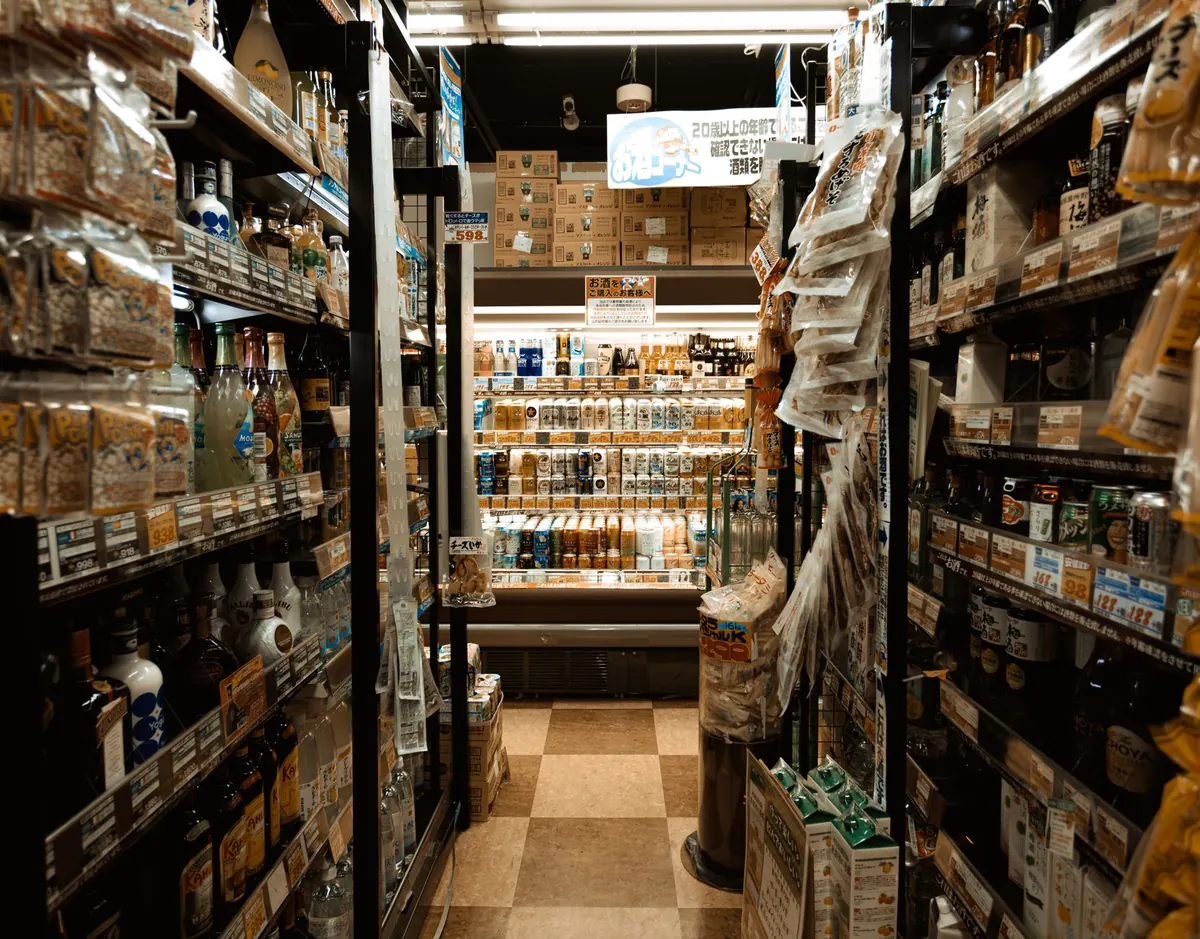
You probably did not notice the last time it happened. The coffee bag felt a little lighter in your hand. The chocolate bar looked shorter against the wrapper. The bottle of washing-up liquid had a narrower waist than you remembered. The shelf price was the same, or close enough that you didn't flinch, so nothing registered as a price rise.
That quiet reduction is shrinkflation, and it explains a small, nagging gap in many households: the feeling that the weekly shop costs more even when the official inflation figures look calm. Headline inflation measures prices. It is much worse at measuring what a pack of something actually does to your kitchen.
Shrinkflation is a reduction in the quantity, weight or volume of a product while the price stays put, or rises by less than it otherwise would have. A 500g pack becomes 450g. A four-pack becomes a three-pack. A bottle loses 50ml and gains a slightly taller shape so it still looks generous on the shelf.
There is a close cousin worth knowing about: skimpflation. That is when the recipe or formulation changes rather than the size. Less cocoa, more sugar, thinner paper, a "new, improved" version that tastes different. Both moves are legal and usually disclosed somewhere on the label. Neither is disclosed where most of us actually look, which is the price tag.
Manufacturers have honest reasons to reach for this: ingredient costs, packaging costs, transport costs. There is also a harder commercial reason. Shoppers react strongly to the number on the shelf and barely at all to the number in the corner of the pack. A smaller box at the same price is easier to sell than the same box at a higher price. That is not a conspiracy. It is simply where the attention is.
Consumer price indices are built to track a representative basket, and statistical agencies do try to account for pack sizes changing. But that correction happens at the level of category averages and national samples. It does not happen in your trolley, and it does not happen for the twelve things you buy every single week.
There are three reasons shrinkflation stings more than the headline rate suggests.
The headline rate tells you the direction of travel. Shrinkflation tells you what happened to the thing you were going to cook on Wednesday.
Some categories are more prone to it than others, mostly because the packaging can absorb a change without looking odd. Watch these closely:
Not every smaller pack is shrinkflation. Sometimes a genuinely new format is launched, sometimes a recipe is reformulated for a real reason, sometimes a product is deliberately sold in a smaller "on the go" size. The point is not to be suspicious of everything. It is to notice the specific products you buy repeatedly.
The tricks are simple and take seconds, but they only work if you build them into the way you shop rather than promising yourself you will check later.
If you adopt only one habit, make it this. Unit price is the great equaliser: it lets you compare a 375g box, a 450g box and a 1kg bag without doing arithmetic in the aisle. It also exposes shrinkflation the moment it happens, because the pack price stays flat while the unit price climbs.
Two caveats. Check that both labels use the same unit, since some shops quote per 100g and others per kilogram. And remember that unit price ignores quality: a cheaper-per-gram product that you throw half of is not cheaper at all.
You do not need a spreadsheet to defend a grocery budget against shrinking packs. You need a short, repeatable check.
Once a month, take ten minutes with your last few receipts. Circle the eight or ten items your household buys most often, and note the pack size, the price and the unit price for each. Keep the list on your phone. Before your next big shop, glance at it for those items only. If a pack size has moved, you will see it immediately instead of three weeks later when the bag runs out early.
Then decide, item by item, what to do. Switch brand. Switch to the larger pack if the unit price justifies it and you will genuinely use it. Switch to a different product that does the same job. Or keep buying the one you like and accept the cost knowingly, which is a perfectly reasonable choice when you have actually made it.
The goal is not to win against food manufacturers. It is to stop being surprised. A household that knows its unit prices can absorb a quiet 10 per cent reduction in pack size and still keep the monthly budget intact. A household that only watches the headline number finds out at the till, one small disappointment at a time.
Note: this is general consumer guidance, not personal financial advice. If grocery costs are putting real pressure on your household budget, a free debt or money advice service in your country can help you work through the options.
Photo: Aleksandar Pasaric / Pexels